
Travel demand remained resilient in 2025 – but behaviour shifts when the world feels less predictable. Plans are more flexible, expectations are higher, and disruption is no longer a rare exception.
From our perspective at Travel Support Europe, the most meaningful trends aren’t only about where people go. They’re about what happens when travel meets reality: weather, crowding, local rules, delays – and the incidents that require fast, calm support.
For organisations responsible for traveller support, and for the clients they serve, these shifts matter because they directly influence case volumes, complexity and expectations.
Key takeaways for 2026
- Peaks are becoming more distributed – shoulder seasons matter more operationally.
- Rules, crowding and climate volatility are creating more “messy middle” cases.
- Continuity and speed (fewer handovers, clearer timelines) will shape outcomes.
2025 in one sentence: travel stayed strong, complexity grew
2025 wasn’t defined by a single destination or one “it” trend. Instead, it was shaped by travellers making more deliberate choices: avoiding extremes, prioritising value, and expecting smoother support journeys when plans change.
Just as importantly, expectations around service continuity continued to rise. When something goes wrong, people want clarity, fewer handovers, and updates they can trust.
Looking ahead to 2026: Prioritise continuity. Clear steps, fewer handovers, and consistent updates don’t just improve the experience – they help prevent avoidable escalations.
The biggest behaviour shift: when people travel is changing
A clear pattern in 2025 was the growing preference for shoulder seasons. Demand is spreading across more months as travellers try to avoid peak crowds, reduce costs, and steer clear of the most intense heat.
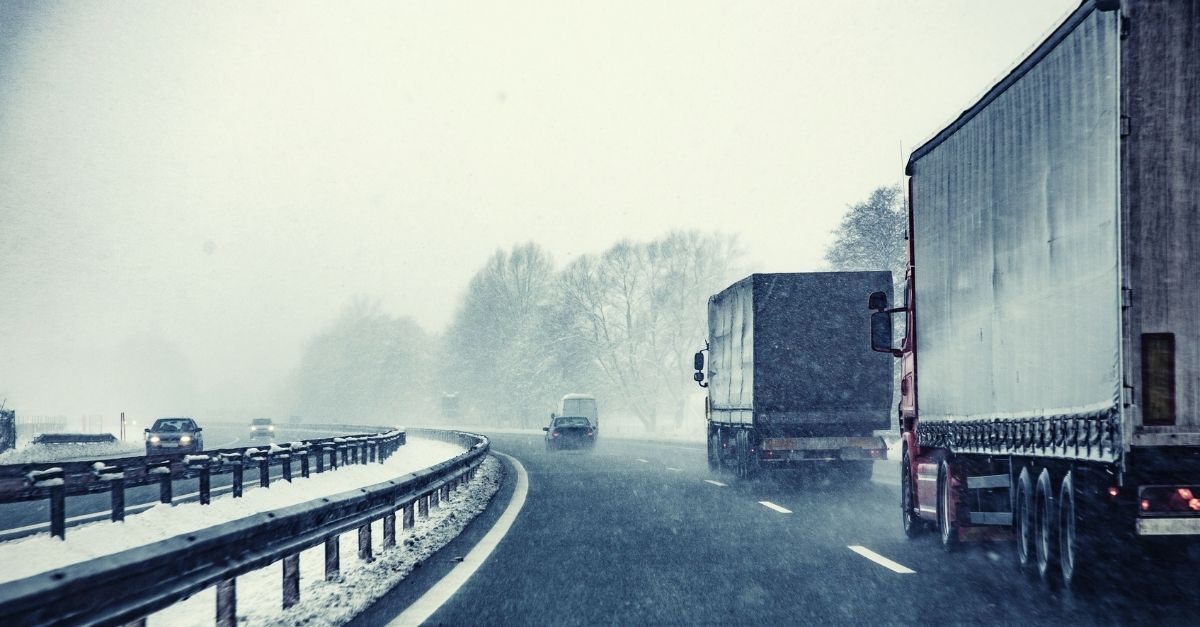
Operationally, that changes the playing field. Shoulder seasons can mean more variable weather, different road conditions and, in some locations, reduced local capacity compared to peak periods.
Looking ahead to 2026: Treat shoulder seasons like “peak planning months”, not quiet months.
The “rules of travel” are changing faster than travellers expect
Crowd management, local restrictions and destination rules have become more visible – and they can change quickly. Even when measures are sensible, travellers often experience them as friction: unexpected fees, access restrictions, rerouted traffic, and longer waiting times.
This often drives a high volume of cases that aren’t purely “medical” or “technical”, but still require confident guidance, practical coordination and reassurance – especially when multiple moving parts are involved.
Looking ahead to 2026: Proactive clarity reduces escalation. When people know what to do (and what to expect), cases stay calmer and outcomes improve.
Climate isn’t just a backdrop – it’s shaping decisions
Travellers are paying closer attention to heat, storms and disruption risk. That doesn’t stop travel, but it increasingly influences timing, destination choices, and expectations around support if conditions change quickly.
The shift also isn’t limited to major events. More frequent smaller disruptions can create delays, uncertainty, and stress – all of which increases the need for steady coordination.
Looking ahead to 2026: Build resilience into everyday operations – not only “exception handling” for the biggest events.
Our 2026 outlook: what we’re preparing for
In 2026, we expect an advantage for organisations that can make support feel simple, even when situations are complex. Here’s what we’re watching most closely:
More distributed peaks: Demand is likely to spread beyond “summer + Christmas”, driven by value, weather and crowd avoidance.
Higher expectations for speed and clarity: Fewer handovers, faster decisions, clearer timelines — especially when disruption hits outside “normal hours”.
Continued pressure on travel systems: When the ecosystem operates close to capacity, disruption cascades faster — and small issues can become expensive if decisions are slow.
Looking ahead to 2026: Prepare for the “messy middle” – the cases between minor inconvenience and major emergency where fast coordination and clear decisions make all the difference.
What this means for medical and roadside assistance in Europe
2026 readiness isn’t just about capacity. It’s about consistency:
- Consistent processes – so cases move smoothly, even across borders
- Strong local networks – so help is available when it’s needed
- Fast decision-making – to prevent avoidable escalations
- Clear communication – so travellers feel informed and in control
That’s the difference between “we handled it” and “we handled it well”.
At Travel Support Europe, these insights shape how we develop our networks, train our teams and refine our processes – so our clients and collaboration partners can rely on consistent, high-quality support across borders and seasons.
And as we look ahead, the message is clear: Travel demand stayed resilient in 2025, but complexity increased – and that trend isn’t going away. In 2026, differentiation will not come from promises alone, but from the ability to deliver steady, high-quality support when travel plans meet real-world complexity.